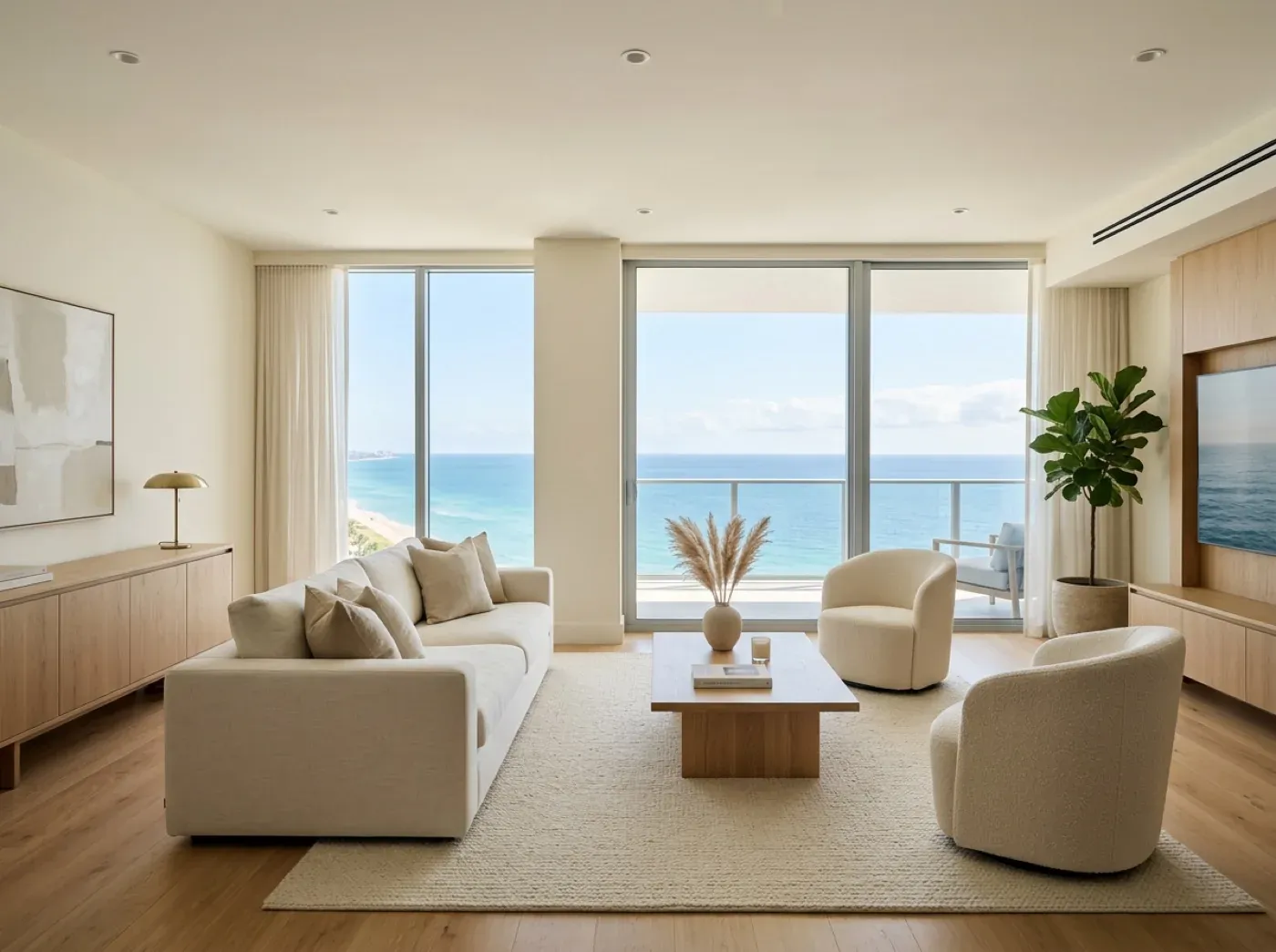
What a Rendering Is Allowed to Promise
Images are marketing representations, so accuracy protects the sale. Here is how to tell fact from atmosphere before you publish.
 Mikita Dasiukou Founder, Untrue Studio · 5 min read
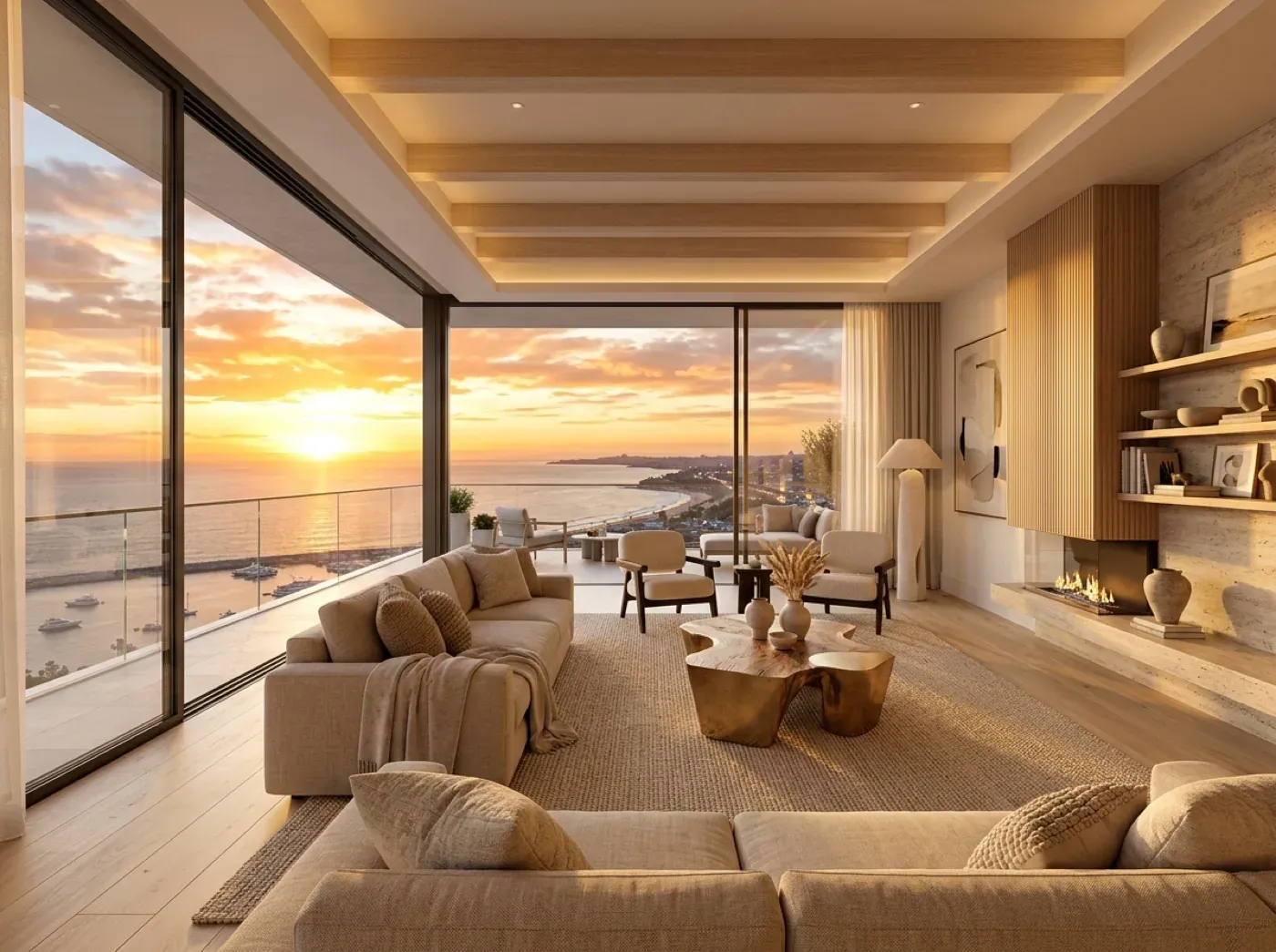
Yes, the company is called Untrue. People ask, and it is a fair question for a firm that makes pictures of buildings that do not exist yet.
The name is a reminder of something easy to forget. A rendering is not the building. It is a picture of an intention, made before the facts are all in, and designed to make someone feel something. That is a perfectly honest thing to make, as long as everyone involved remembers what it is.
This article is about keeping that distinction clear. It is not legal advice. Untrue is a visualization and marketing studio, and the rules on selling new homes are a matter for your own counsel. What follows is a practical way to prepare for that conversation and to reduce the number of problems you bring to it.
Why accuracy is a sales issue
It is natural to think of accuracy as the lawyer’s concern and persuasion as the marketer’s. In presale, they point the same way.
A buyer may wait many months between looking at an image and walking into their home. All that time, they are building a picture from what you showed them. When the home matches, the sale feels right and the buyer tells people so. When it does not, you may face a difficult conversation at the worst possible moment, and perhaps a cancellation or a dispute.
The cheapest time to find the gap between the image and the building is before the image is published.
Fact, assumption and atmosphere
Every rendering contains three kinds of information, usually without any labels. The first useful step is to separate them.
| Type | What it is | Examples | What to do |
|---|---|---|---|
| Fact | Drawn from the current set | Massing, window positions, floor plan, building height | Check it against the drawings |
| Assumption | A decision not final, or made by the artist | Finish selection, railing detail, neighboring building, planting | Confirm it, or label it |
| Atmosphere | There to create a feeling | Hour of day, weather, people, furniture, styling | Keep it plausible |
Atmosphere is not the problem. No one expects your project to exist at permanent golden hour. The problem comes when something that looks like atmosphere is really a claim, or when an assumption gets read as a fact.
Where the gaps usually appear
These are ordinary problems, and they tend to appear in the same places.
Views. This is often the most sensitive point. Is that the real view from that floor and that direction? Is the vacant lot next door drawn as open space when something may be built there? A view image shown without saying which homes it applies to invites everyone to assume it applies to theirs.
Finishes and features. If the kitchen shown has the upgraded stone, the upgraded fixtures and an optional island, a buyer may reasonably think that is what they are getting. Say what is standard, or show the standard.
Landscaping. New trees are small. Renderings tend to show them fully grown. That can be fine if everyone understands it, but a street lined with mature trees that will take years to appear is a claim of a sort.
Furniture and scale. Slim beds and undersized sofas make rooms look larger. The same problem appears on floor plans, and it has the same answer: use real furniture at real sizes.
The surroundings. Removing a power line, a parking structure or a busy road makes a cleaner picture and a less accurate one. Decide deliberately what you leave out, and be ready to explain it.
Amenities and later phases. If something is shown that is not yet approved, is planned for a later phase or may change, the image should not suggest that it is certain.
A review you can run in an hour
Before an image goes public, go through it with someone who knows the current design. Ideally, this is not the person who commissioned the image.
- List what the image shows that a buyer could rely on: the view, the finishes, the features, the surroundings.
- Mark each item as fact, assumption or atmosphere.
- Check every fact against the current drawings, and write down which set you used.
- For each assumption, confirm it, change it or label it.
- Decide where the image may be used. An image that is fine as a general mood may need a caption when it sits beside a specific home.
- Write the caption and any standard wording.
- Record the image version and the date it was approved.
The record is easy to skip and worth having. If a question comes up a year later, you will want to know what you knew when you published.
Label it plainly
A clear caption does most of the work. “Artist’s rendering” or “Concept image” tells a reader what they are looking at. “Shown with upgraded finishes” answers a question before it becomes a complaint. “View is representative and varies by home” is better than leaving it unsaid.
Disclaimers help, but they are not a substitute for an honest picture. Small print at the bottom of a page does not always undo the impression a large image leaves. Ask your counsel how to word yours and how much weight it can carry.
Retire images that are no longer true
The design will change. When it does, an old image can live on in places you have forgotten: the broker’s flyer, a social post, an ad, a listing, a partner’s website.
Keep a simple list of where each approved image has been used. When something changes, replace it everywhere you can, and tell your sales team what has changed, because they will be asked. Your sales team should also know what to say about images in general: which parts are final, and which parts are not.
What to take to your counsel
You will get more from that conversation if you arrive prepared. Your counsel may want to look at:
- The standard wording for renderings, floor plans and sizes
- How to present views, finishes and future phases
- How pricing and availability may be presented, and what rules apply where you are selling
- How your purchase documents treat marketing materials
- What records you should keep, and for how long
The result you want is simple to describe. A buyer should be able to look at your image, then walk into their home, and feel you told them the truth about what they were buying.