When a 360° Tour Earns Its Budget
A tour does one thing very well, and it is not always the right spend. A few questions show whether your project needs one.
 Mikita Dasiukou Founder, Untrue Studio · 5 min read
A disclosure first: Untrue sells 360° tours. Read this with that in mind, and hold it to a higher standard because of it.
A tour is one of the most persuasive things a presale gallery can have. It is also a real expense, and it is easy to buy for the wrong reason. Usually the wrong reason is that a competitor has one, or that it looks impressive in a meeting. So it is worth being clear about what it does, and when you should spend the money elsewhere.
What a tour does better than anything else
A still image shows a room from the best place to stand. A floor plan shows how the rooms relate on paper. A tour lets a person stand in the entry, turn around, and find out for themselves what they can see from there.
That answers a kind of question that nothing else answers as well:
- Can I see the kitchen from the sofa?
- What is the first thing I see when I open the front door?
- How far is the primary bedroom from the living area?
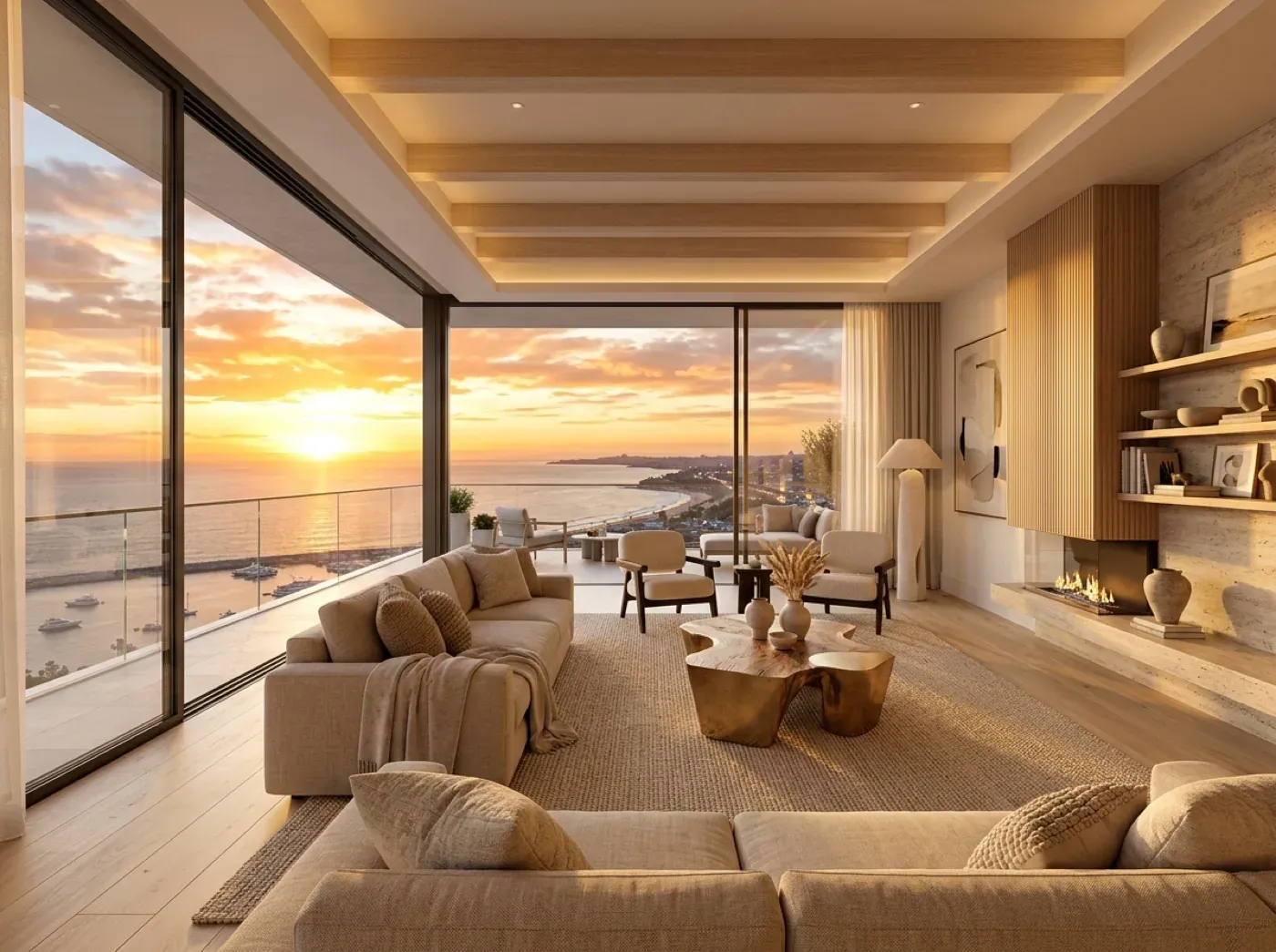
- Does the space feel open, or does it just photograph well?
Those questions are hard to put into words, which is why they are hard to answer with words. The buyer has to look around. A good tour also gives a partner or a parent who is not in the room something to explore on their own.
What a tour does not do
It does not tell a buyer what a home costs, whether it is available, or whether their furniture fits. It does not explain what is standard and what is an upgrade unless someone has built that in. It does not replace a marketing floor plan, and people who have just walked through a tour often go looking for the plan.
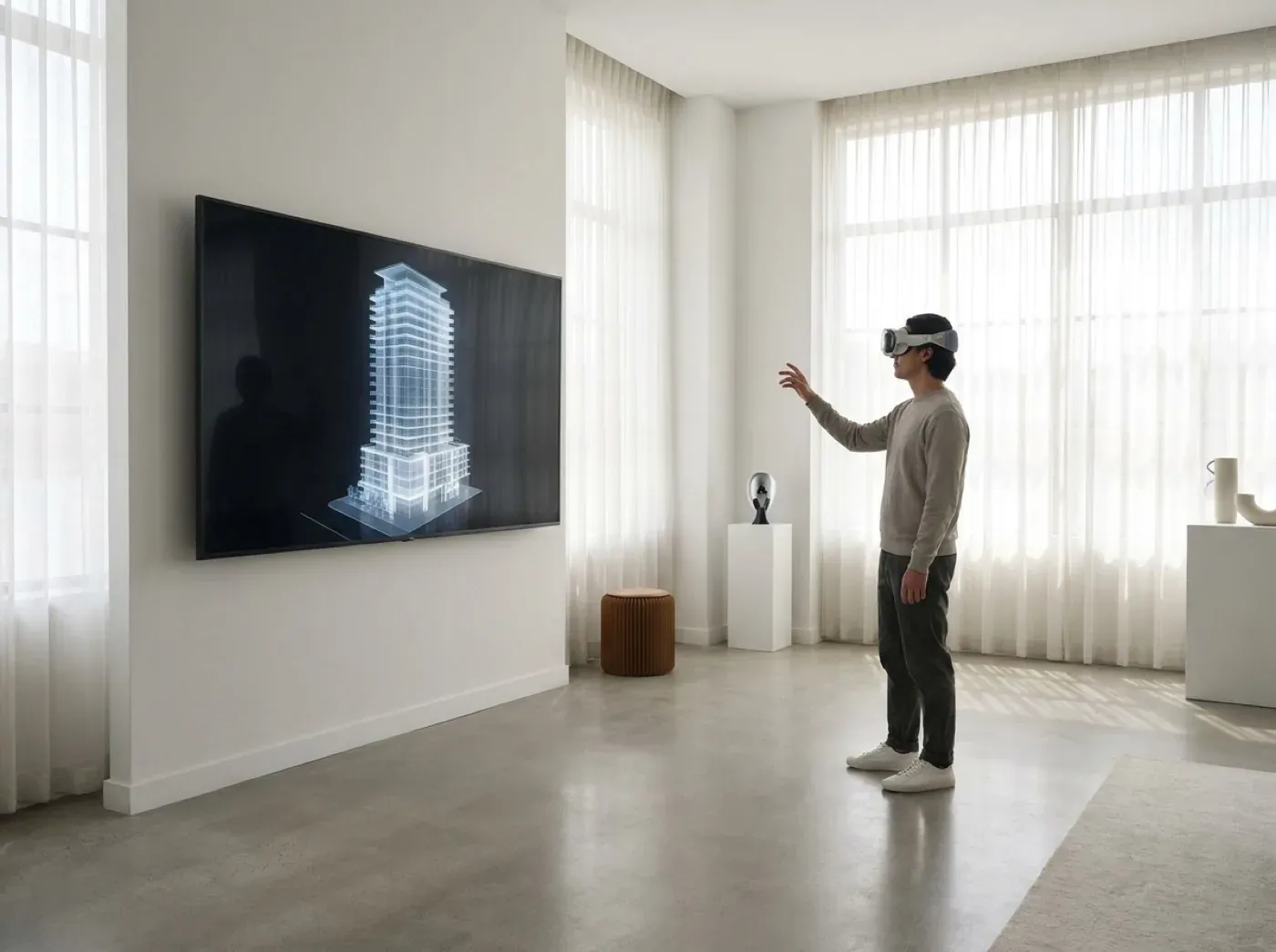
A headset is optional. The people you are selling to are mostly going to look at the tour in a browser, often on a phone. A tour that needs a demonstration in a sales office has a much smaller audience than one that opens from a link in an email.
Six questions before you buy one
Answer these honestly. The more yeses you have, the stronger the case.
- Is the layout part of what you are selling? An unusual section, a generous great room or a strong connection to a terrace is hard to show in stills. A tour earns its place when there is something to discover by turning around.
- Will buyers decide before they can visit a finished home? The longer the wait for a model, and the further away your buyers are, the more the tour has to do.
- Is the design settled? Tours depend on many decisions. Building one while the kitchen is still changing means paying twice.
- Are the basics already covered? Marketing floor plans and a core set of stills should exist or be budgeted first. They answer more questions per dollar.
- Will your sales team use it? A tour earns the most when an agent can share a link and talk someone through it on a call. If no one plans to use it that way, it is a nice page on a website.
- Can you keep it current? If finishes or layouts change, can the tour change too? An out-of-date tour is worse than none, because it is so convincing.
When I would tell you not to buy one
There are clear cases where a tour is the wrong purchase, even though we sell them.
A finished model opens soon. If buyers can walk a real home within a few weeks of your launch, photograph it and spend the money on what happens afterward.
The budget cannot cover the basics. If it is a choice between a tour and good floor plans with a sensible set of stills, take the plans and stills. A tour built on top of weak basics leaves the practical questions unanswered, and it makes that easier to notice.
The plans are simple and conventional. If your homes read clearly from a floor plan and a few images, a tour may add less than you expect. Spend on what your own ten-question test shows is missing.
The design is not ready. Wait. A tour can usually come later in a campaign that runs for months, and a later release gives you a new reason to speak to your list.
If you do buy one, scope it around questions
A tour is usually sold by the number of rooms or stops. It is more useful to start from what the buyer needs to understand.
- Choose plans deliberately. Start with the plan you expect to sell most, not the most expensive one. A second plan makes sense if it differs in a way buyers care about.
- Place the stops where people would stand. The entry, the point where kitchen and living meet, the window wall. Corners that make a room look bigger make for a disappointing visit later.
- Keep it inside the honest envelope. If the tour shows upgraded finishes or a particular view, say so where people can see it.
- Connect it to everything else. From any point in the tour, a buyer should be able to reach the floor plan, the availability and a way to ask a question. A tour that ends in a dead end wastes the attention it earned.
How to judge one before launch
Open it on an average phone on an average connection, not on the office computer. Time how long it takes to become usable. Try to find your way from the kitchen to the primary bedroom without instructions. Then ask someone who has never seen the plan to tell you where the laundry is.
If they can do that, and can then find the plan and the availability, the tour is doing its job. If they enjoy it and still cannot answer those questions, you have bought something beautiful that does not yet sell.